The Problem: KYC Kills Conversions
KYC is critical—but also painful. Every additional step in identity verification increases user friction, which directly impacts conversion rates, especially in onboarding-heavy industries like fintech, BNPL, and neobanking.
- Users abandon when upload fails
- They quit when video liveness takes too long
- They hesitate when asked for too much too soon
But removing checks is risky. So the real question is: How can platforms improve completion rates without compromising fraud detection or compliance?
The Solution: Intelligent, Friction-Less KYC
Here’s how smart platforms are reducing drop-offs while still managing identity risk:
1. Replace Liveness Video with Image-Based Verification
Videos take time to record, fail in poor networks, and intimidate users. ATNA uses image-only checks—verifying document integrity and facial consistency without requiring a selfie video.
Impact:
- 30% reduction in dropout during selfie stage
- Works well in Tier-2/3 markets with low bandwidth
2. Pre-Fill What You Can from the Document
Instead of asking users to manually type their name, DOB, and address, extract those directly from the uploaded ID and auto-fill the form. ATNA’s AI-KYC does this in real time.
Impact:
- Reduces user effort
- Prevents mismatches due to typos
3. Skip Extra Documents Using ATNA Score
Instead of asking for additional documents when you’re unsure, use ATNA Score to calculate real-time onboarding risk based on document quality, digital footprint, and passive behavior signals.
Impact:
- 25% reduction in document re-request
- Better user experience without cutting risk coverage
4. Start with Passive Signals First
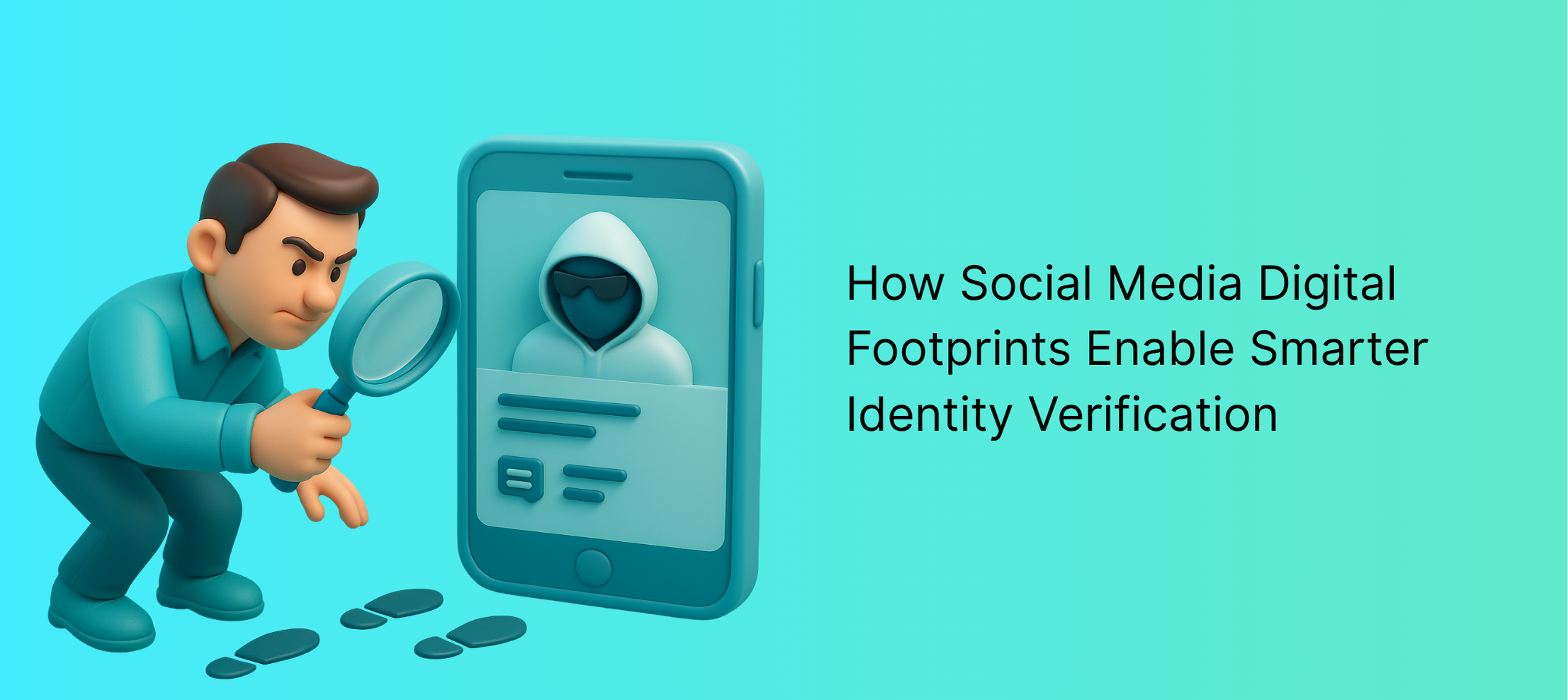
Before even asking the user for a document, analyze device, IP, network, and behavioral traits using ATNA’s Digital Footprinting.
Impact:
- Identify suspicious users before asking for verification
- Personalize the level of KYC required
5. Use Conditional Workflows Based on Risk Tier
All users don’t need full KYC. ATNA lets you adjust flows:
- Low-risk: Document + image validation
- Medium-risk: Add footprinting + extra ID
- High-risk: Redirect to manual review
Impact:
- Right-sized effort for every user
- Reduces over-verification and under-verification risks
Conclusion
Reducing KYC drop-offs isn’t about removing checks—it’s about making them smarter, faster, and invisible where possible. ATNA delivers adaptive KYC without compromising.